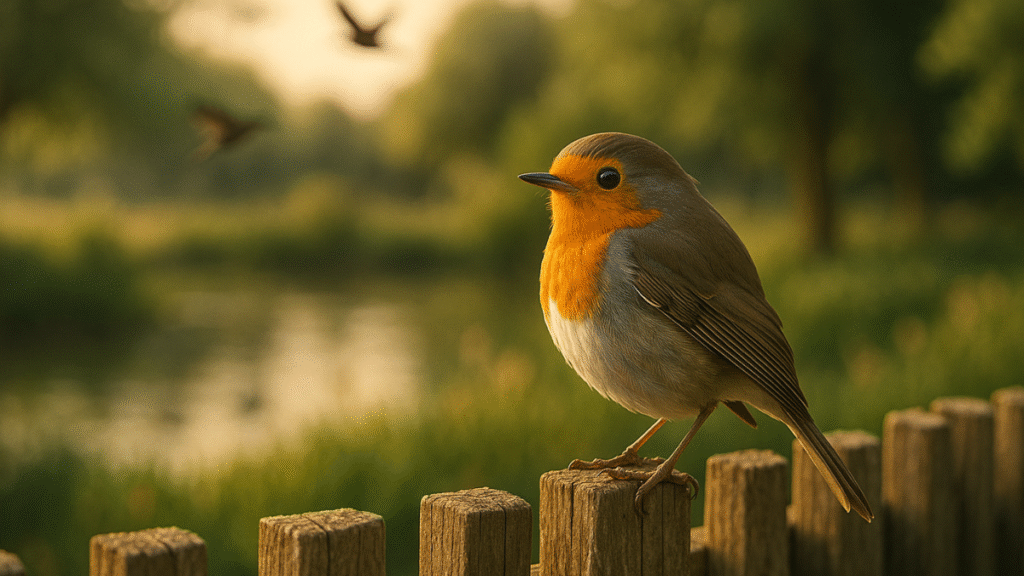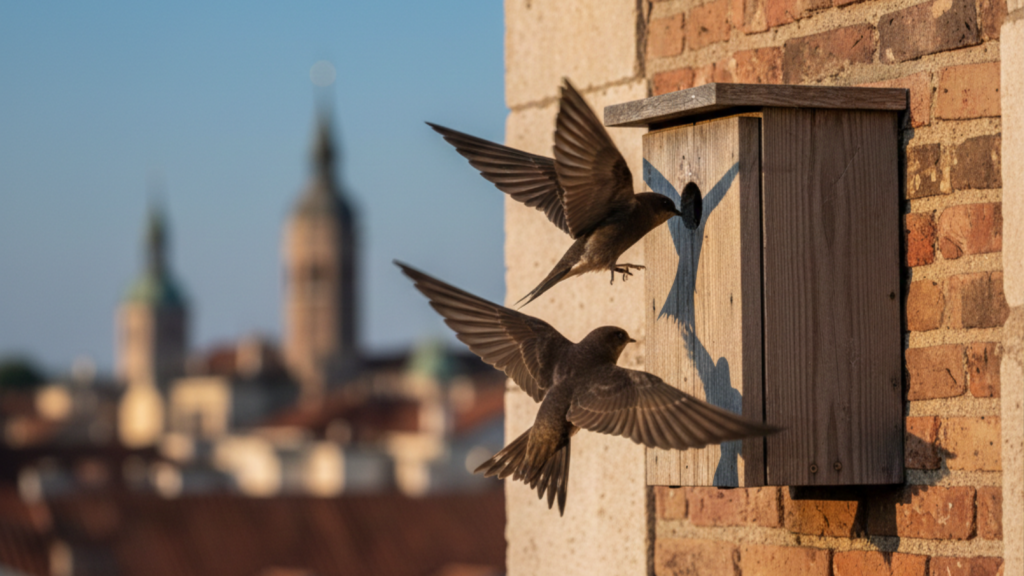
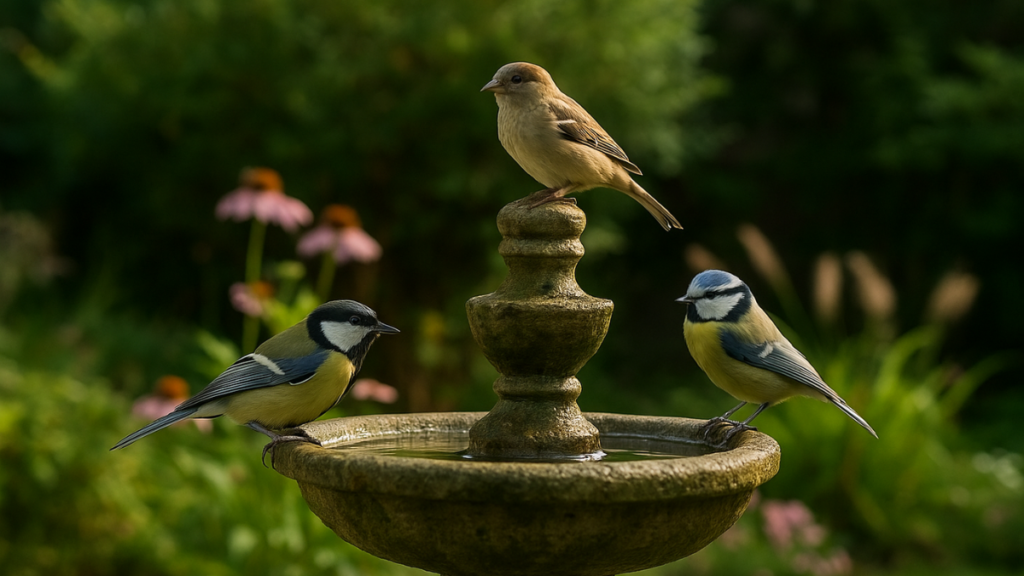
A warm, practical, and thorough guide to attracting birds to your yard or balcony. Learn how to build a natural space that invites city birds to visit, how to care for them from home, and how to enjoy nature in a deep, everyday way.
It all started with a pot I set in a corner of the balcony without really thinking about it. I wanted something that felt calm, a spot of green to break up the gray of the building across the street. I expected nothing else, honestly. Two days later a little sparrow landed right on the rim. I remember it perfectly because it felt almost magical. He sat there looking at me like he had something to say. I’d never once paid attention to who visited my balcony, and now I couldn’t look away.
Why attracting birds to your balcony or yard can change your life
Before I get into how to attract birds, I want you to understand why it’s so worth doing. It isn’t just that your balcony looks nicer, or that you end up with good photos to share. Something deeper happens. It changes how you live in your own space.
Nature stops being somewhere you go
We often live like nature is a destination. Somewhere we drive to on the weekend or on vacation. The truth is that if we pay attention, it’s much closer than we think. Once you start attracting birds to your yard or your balcony, you find that wildlife isn’t far away at all. It’s a constant presence that just needed a gap to move into. That shift stays with you every day, even when you’re overwhelmed, exhausted, or juggling a hundred things. A few seconds of looking is enough to remember there’s something alive out there.
Watching birds lowers stress on its own
There’s something deeply calming about watching a bird move. Picking through the branches. Taking a quick drink. Looking around with that calm, unhurried attention. Even on a hard day, a small moment at your balcony can slow your breathing and make everything feel more manageable. You don’t need a technique or any special effort. The birds do that work for you without being asked. They’re a quiet reminder that life can be simpler than it sometimes looks.
You tune into the rhythm and become part of it
Once you start noticing which species visit your balcony, when they come, how they behave, what they need, you realize you’re part of a much bigger cycle. Patterns start showing up. A mockingbird singing means the afternoon is turning. A cardinal shows up when the air gets cold. A sparrow appears if there’s seed out or if he hears movement. Suddenly you’re in that choreography too. Your home stops being an isolated box and becomes a small refuge inside the city’s ecosystem.
Attracting birds is a real way to help with conservation
We sometimes think the only way to help nature is through big projects, planting forests, giving up hours of our time. All of that counts, of course, and so does building small refuges for birds in cities, where they’re often short on food, water, and safe places to rest. Attracting birds the respectful way is one of the simplest good things you can do.
How to attract birds to your yard or balcony, step by step
Here’s where the practical part starts. I’m going to tell you everything that works, what I’ve learned from watching and experimenting, and how you can turn your balcony or yard into a small oasis for birds. You don’t need a big budget or dramatic changes. You need a space they find useful and safe.
Plants are the first natural magnet
Let me tell you something I found out by accident. The first day I put out a pot, a sparrow came. When I had five, a dove came. When I added a taller plant, a mockingbird showed up. Plants work on birds because they do several jobs at once. They provide cover, they bring in insects naturally, and they offer a space where birds feel less exposed.
You don’t need a huge terrace or a jungle in the yard. Three or four well-placed pots are enough to create a corner where birds feel comfortable. What matters is the sense of volume and variety. One lonely plant doesn’t do what several plants clustered into a living corner will do.
Going with native plants is almost always the right call. They hold up on their own, they don’t need much fussing, and they bring in the insects and pollinators that feed a lot of birds. Coneflower and black-eyed Susan are hard to beat, because the flowers pull in insects all summer and the seed heads feed finches straight through fall if you leave them standing. Salvia brings in hummingbirds. Herbs like lavender, rosemary, and thyme are tough, aromatic, and constantly worked over by insects, which in turn draws insect-eating birds. If you have room for a shrub, elderberry or serviceberry will change everything, and a single sunflower does more than you’d expect.
Something that works well is creating different heights. A big pot on the floor, a medium one on a stool, and a hanging one make a structure birds find very appealing. It gives them varied perches and places to duck out of sight.
Water is what city birds appreciate most
Take it from me. The day I put out a bowl of water, birds turned up that I’d never seen on my balcony before. Not just to drink, either, but to bathe. Watching it is the best part. They hop in, shake their wings, splash around, then sit for a while drying off. It’s impossible not to smile.
Cities are often short on clean water for birds. Fountains are usually treated or dirty, and puddles aren’t always safe. Offering water on your balcony or in your yard is a small gesture with real impact. A wide plant saucer holding an inch or two of water is enough to make them feel safe. Put a stone or two inside so they have solid footing, and never let the water go stagnant. Change it daily if you can.
If you have a yard, a fountain with moving water pulls in even more, because they hear it. If you don’t, don’t worry. A clean bowl is more than enough. Just put it somewhere they won’t feel cornered, where they can see what’s around them and take off fast if they need to.
Feeders can become the center of life on your balcony
Now we get to the part that excites people most when they start out. Feeders do two things at once. They bring a lot of species close enough to really see, and used responsibly they genuinely help city birds, especially in winter or during lean stretches.
Using them well matters, though. Start by picking the right feeder for your space. On a small balcony, a simple tray feeder can be perfect. If you’d rather keep big birds like pigeons from monopolizing the food, a tube feeder with several small ports works well. For small birds like chickadees and titmice, hanging feeders tend to be a big hit. If you want to see them up close, window feeders that suction onto the glass are worth every penny. The birds feel more confident when they have room to escape sideways.
What you put out is key. Black oil sunflower seed is gold in the bird world. Nearly every species loves it and it’s easy to digest. Good-quality wild bird mixes work too, but check that they aren’t padded out with filler grains city birds won’t touch. Oats, ripe fruit like apple or pear, and unsalted peanuts are all good options. In cold weather you can put out small portions of suet, which gives them fast energy. Skip it in summer, though, because it melts and can spoil.
It’s important to avoid certain foods that look harmless and aren’t. Bread is the main one. It doesn’t have the nutrients they need and it can cause real health problems. Milk, salty foods, and anything processed should be off the list too.
Birds need to feel safe before they’ll stay
You can have gorgeous plants and the best feeder in the world, but if they don’t feel like there’s somewhere to hide or a clear escape route, they won’t stick around. Birds don’t take chances. They know one bad decision can cost them their life, so safety comes first.
Creating cover doesn’t mean filling the balcony with stuff or making your life complicated. Just think about how a bird would move through your space. If you have plants, make sure one of them is bushy enough to disappear into for a second. If you have a railing, a hanging plant gives them a sense of protection when they land. If you have a yard, dense shrubs are their favorite thing in the world.
It’s also worth thinking about hazards. Big windows are a risk when they reflect the sky and birds fly into them. Small decals or patterns on the glass break up the reflection and solve it. If there are cats around your yard, keep feeders and water up high where they can’t be reached, and if you live on a high floor, just place things so they aren’t tucked into overly exposed corners.
Colors, scents, and textures matter too
This might surprise you, but color and texture matter to birds as well. Not the way they matter to us, but they shape how a bird reads a space. Bright colors like yellow, orange, and certain reds catch their attention, especially in flowers and fruit. Natural textures like bare branches, wooden trellises, and hanging plants give them a sense of structure they love.
If you pair aromatic plants like lavender with yellow or orange flowers, you’ll see the bird traffic multiply. Set out a nice bare branch or a small decorative log and I promise you’ll get more visitors, because they use it as a staging perch to scan the area before dropping down to the water or the feeder.
What draws each species, and how to adapt it to your space
Once you start attracting birds, you find they don’t all come for the same thing. Some want seed, some want insects, some want water, and some just want somewhere safe to be. Understanding what each species needs helps you build a more varied space.
Chickadees and titmice love hanging feeders and small seeds. Put up a nest box sized for them and they might even raise a brood nearby. Sparrows prefer dense planting and trays on the ground or slightly raised. Mockingbirds want leaf litter, ripe fruit, and shade. Doves like wide, quiet surfaces for drinking and resting. Cardinals want dense shrubs to slip into, sunflower seed, and a perch close to cover. Swallows, which don’t come to feed, want open space with insects on the move and high places to perch.
Once you know these details, you realize your balcony can be a small ecosystem in itself. The best part is that even if you can’t attract every species, one of them will always find its place.
Ethics and conservation: attract birds, but do it with respect
Attracting birds is a joy, and it comes with responsibility. City birds already live in a difficult environment and any help matters, but it has to be done right. Hygiene is essential. Feeders need cleaning regularly to prevent disease. Water should be changed every day, and we should never put out too much food or anything that harms them.
It’s also important to accept that some species will come and others won’t. They decide. We can’t force their presence or try to manipulate them, and even when they seem tame, we have to remember they’re wild animals that need their own space.
Finally, keeping pesticides off your plants and your balcony is one of the most ecological decisions you can make. You’re protecting the birds, and you’re protecting the insects that hold the whole system in balance.
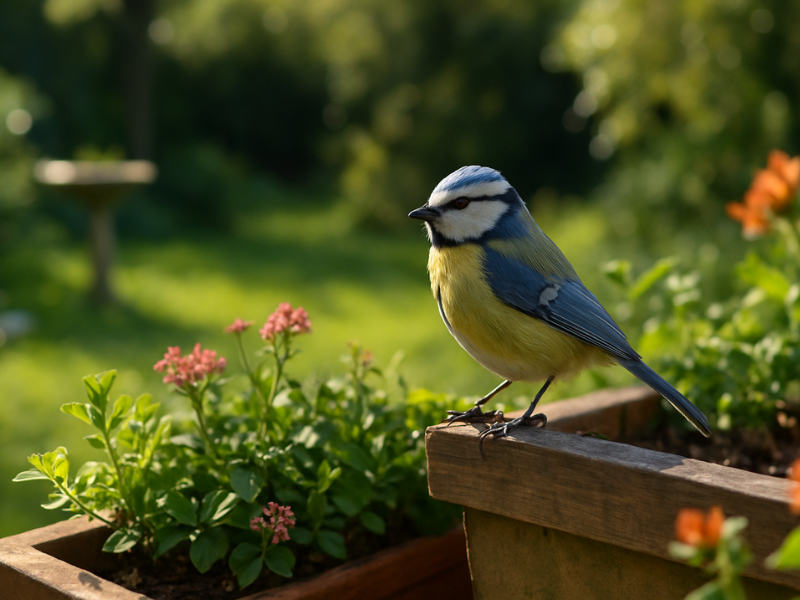
Frequently asked questions about attracting birds to your yard or balcony
How long will it take for birds to show up?
It depends a lot on your area, on whether there were birds nearby already, and on what you’re offering. Sometimes it’s a day, sometimes it’s weeks. If you keep clean water, varied plants, and a feeder with the right food, though, they’ll find you sooner or later.
What do I do if they don’t come?
First, check whether your space looks safe to them. Look for cats nearby, feeders sitting too exposed, plants in awkward spots, or water that’s gone murky. Sometimes moving a feeder a few inches or adding one bushy plant is all it takes for them to start arriving.
Can you attract birds if you live on a high floor?
Yes. Plenty of birds fly high and have no trouble reaching an upper balcony. Doves, sparrows, swifts, and chickadees move around at height without any difficulty.
Does attracting birds make a mess?
A little, but nothing a weekly cleanup doesn’t handle. Feeders should be washed with hot water to prevent mold and bacteria, and the water bowl needs changing every day, especially in summer.
Is it dangerous for birds to come to a balcony?
Not if you take basic steps like treating risky glass, keeping water and food in raised spots, and making sure there are no cats around. They know how to look after themselves, but they appreciate a safe environment.
Since I started attracting birds to my balcony, my mornings feel different. I don’t open the window out of habit anymore. I open it with a mix of curiosity and affection. I never know who’s going to turn up that day, a playful sparrow, a calm dove, a cardinal who lets himself be seen once the air turns cold. Every visit is a small joy, and a reminder that even in the loudest city there’s a corner left for calm.
Making a space to attract birds is really making a space for yourself too. Somewhere to look slowly, breathe deeply, and feel like part of the natural world even from an apartment surrounded by buildings. It’s a simple act, and it changes things.
After all that, I’d love to know something. Which bird would you like to see visit your balcony or yard, or is there one that already stops by now and then? I’ll read you in the comments, because every story about a balcony and a song is worth sharing.