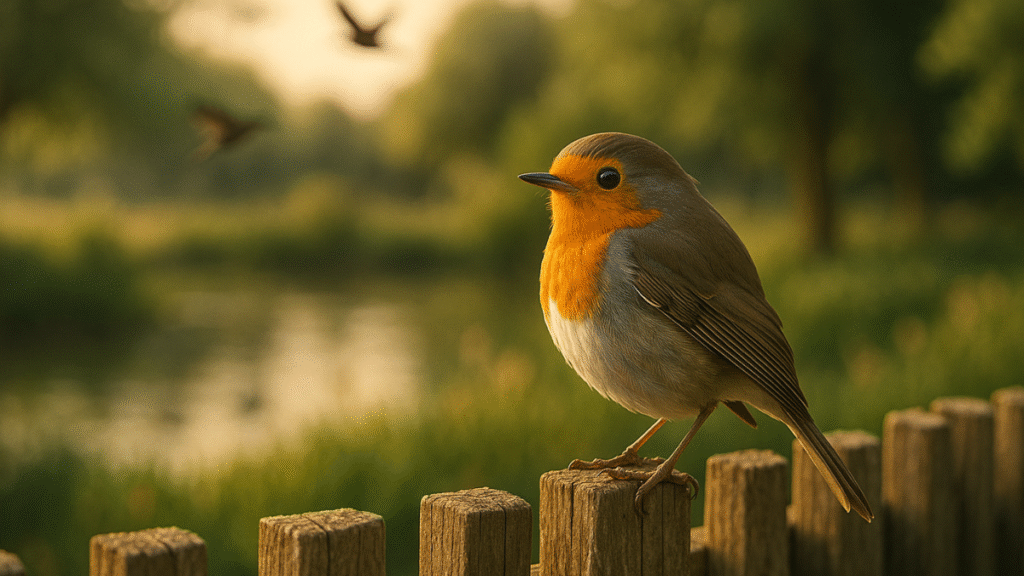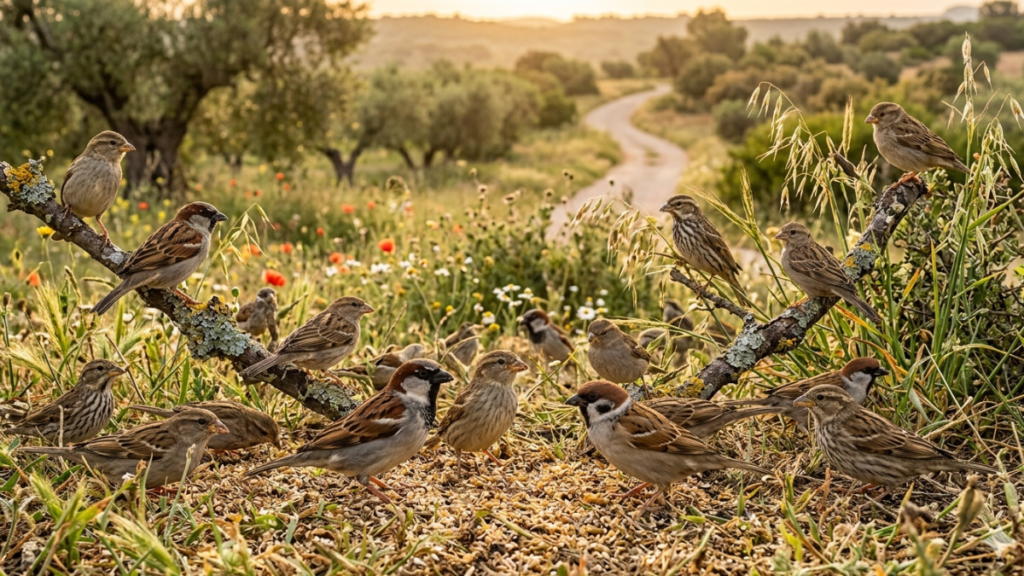
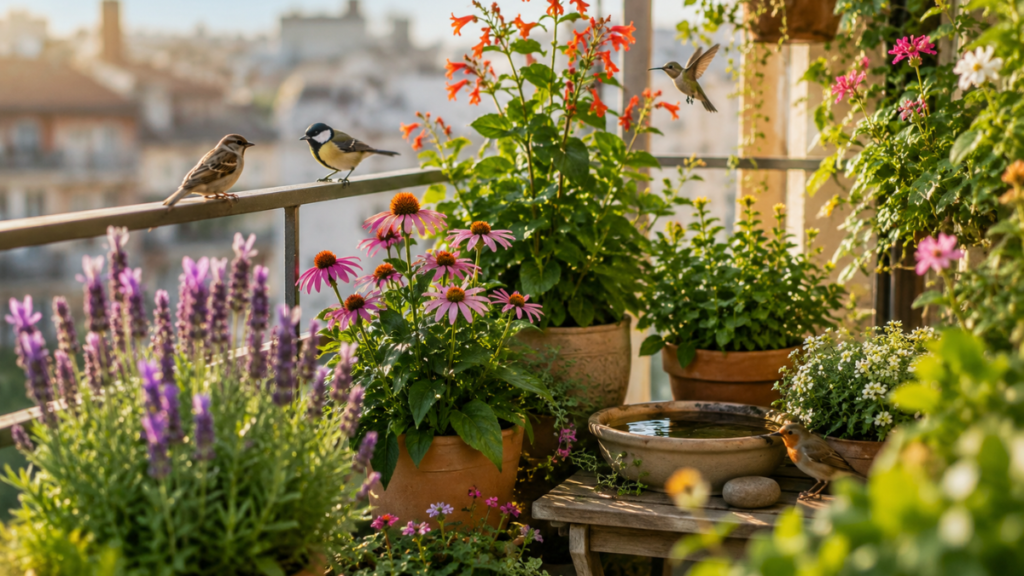
Turn your balcony into a vibrant oasis with these 7 plants that bring songbirds in. Discover how to connect with nature from home, do something real for the planet, and enjoy a small natural spectacle every morning.
Sometimes we look at the balcony and see nothing but concrete, a drying rack, and the corner where those empty pots pile up that we always swear we’ll fill. Today I want you to look again. I want you to see that little patch of outdoor space as a blank canvas, a golden opportunity to build a natural sanctuary where urban wildlife can find food, cover, and somewhere safe to rest.
We’re going to run through the seven most effective plants for turning your balcony into the hottest destination in the neighborhood, at least among the residents with feathers. Grab a pen and let’s get into it.
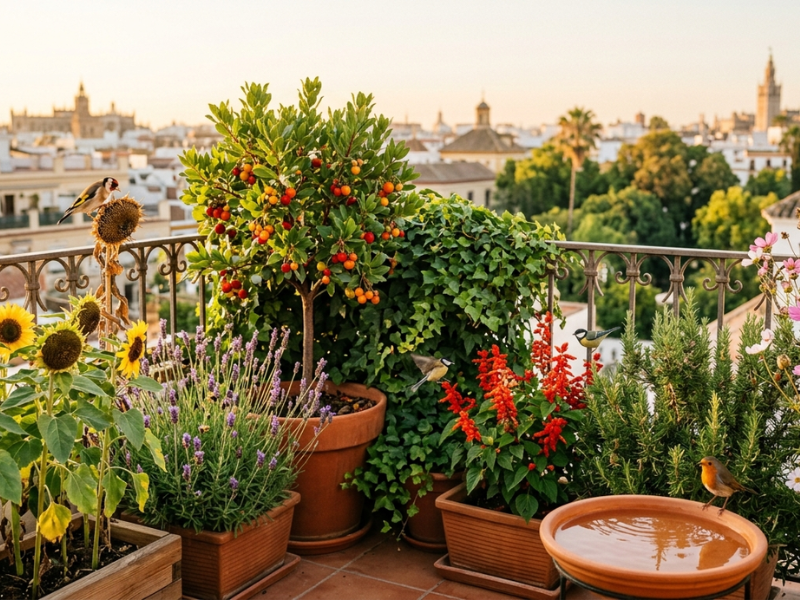
The images in this post were created for illustrative purposes with the help of AI
This post contains affiliate links. If you buy through them you’re supporting my work, at no extra cost to you.
Why your balcony matters more to nature than you think
Before we get our hands into the potting soil, let me tell you something that changed how I think about all this. We tend to assume that conserving nature means making big donations or flying somewhere to replant a forest. All of that is great, of course, and the real revolution starts at your own window.
Cities are hostile places for animals. Concrete, glass, and the absence of native vegetation create what ecologists call urban deserts. Birds living in our neighborhoods have to run a daily obstacle course to find a little clean water, a caterpillar to feed their chicks, or enough seed to get them through a winter night.
When you deliberately put bird-friendly plants on your balcony, you aren’t just decorating. You’re creating an oasis in the middle of that desert. You’re installing an ecological rest stop where a chickadee can pull over and refuel. Multiply your balcony by ten neighbors on your block and what was a desert turns into a green corridor that dozens of species depend on. Isn’t that a wonderful thought? It still amazes me how much good a couple of well-chosen pots can do.
The art of designing a balcony birds actually want
Not all plants work the same way, and this isn’t about walking into the garden center and grabbing whatever catches your eye because it has pretty flowers. For your balcony to become a genuine, lasting magnet, we have to think a little like a bird. What is a bird looking for as it flies low between buildings? Three things, mainly: food, safety, and water.
On food, plants give us several wonderful options. Some produce nectar-rich flowers that draw pollinating insects, which then become the gourmet menu for insect-eating birds. Others produce fleshy berries in fall and winter, a critical stretch when food runs short. Others hand over delicious seed once their flowers dry out.
Safety is the other key. A bird won’t land on a bare balcony where it feels completely exposed to the neighborhood cats or to the wind. They need density, leaves to disappear into, twigs to perch on and scan from before dropping down to feed. That’s why the secret is combining heights, textures, and plant types.
Quick reference: plants that attract birds
| Plant | What it offers | Birds it helps | Basic care | Main ecological benefit |
|---|---|---|---|---|
| Dwarf sunflower | Seeds packed with healthy fats. | American goldfinches, house finches, chickadees. | Full sun, regular water, well-draining soil. | A huge energy boost at the end of summer. |
| Lavender | Pollinating insects and tiny seeds. | Chickadees, titmice, warblers. | Full sun, very little water, porous soil. | Draws insect prey through spring. |
| Winterberry holly | Red berries that hold on all winter. | Robins, mockingbirds, cedar waxwings. | Deep pot, sun to part shade, steady moisture. | Critical calories in the hardest months. |
| Coral honeysuckle | Dense cover, nectar, and late berries. | Hummingbirds, sparrows, chickadees, warblers. | Sun or part shade, tough, moderate water. | Cover from predators plus emergency food. |
| Salvia | Tubular flowers loaded with nectar. | Hummingbirds and small insect eaters. | Full sun, water sparingly, let the soil dry. | Ecological balance and natural pest control. |
| Rosemary | Early flowers and woody structure. | Bees (which pull in birds), chickadees, titmice. | All the sun you can give it, minimal water. | A safe perch and late-winter food. |
| Cosmos | Abundant seed and a wildflower look. | American goldfinches, house finches, sparrows. | Full sun, moderate water, any soil at all. | A lively fall food source. |
The 7 plants that bring birds to your balcony
Let’s get to it, because I know you want to know exactly what to ask for on your next trip to the nursery. I picked these seven for how well they handle life in a pot, for their proven pulling power, and, wherever possible, for being native, which is what makes the biggest difference to birds.
1. Dwarf sunflower: pure energy and guaranteed smiles
If one plant embodies joy and overflowing energy, it’s the sunflower. You’re probably picturing endless fields of them in summer, but did you know there are dwarf varieties that adapt perfectly to life in a pot on a balcony?
The dwarf sunflower is an annual that will make you happy from the moment you put the seed in the soil. It grows fast and shamelessly, straight at the sun. The flower is a small blazing sun that lights up your mornings and doubles as a beacon for pollinators all summer.
The best part comes when the flower starts to fade. Don’t make the mistake of cutting it once the petals drop. That’s exactly when the real magic starts for the birds. The center of the flower fills with seed, loaded with high-quality fats. American goldfinches are wild about sunflowers. Watching a goldfinch balance on a sunflower head on your own balcony, working the seeds loose with that conical bill, is one of the most satisfying things you’ll ever see.
Care is simple: a pot with good drainage, a nutrient-rich mix, and above all several hours of direct sun a day. Water regularly, because it drinks a fair amount given how fast it grows, but don’t let the roots sit waterlogged. The payoff is worth every drop.
2. Lavender: an aromatic insect magnet
Lavender is a classic that never disappoints, a staple on any balcony that wants to be a biodiversity refuge. The scent transports you instantly. After a hard day it settles something in you, and nothing else brings quite that rustic elegance.
How does lavender attract birds if it doesn’t produce big berries? The secret is its extraordinary ability to pull in beneficial insects. All through spring and summer, those purple spikes swarm with bees, bumblebees, butterflies, and small insects. That insect feast is irresistible to small insect-eating birds like warblers, chickadees, and titmice, all of which need fresh protein for themselves and their chicks.
On top of that, when lavender flowers dry at the end of summer, they hold tiny but nutritious seeds that the smallest seed eaters know exactly how to work loose.
Lavender is close to bombproof, tough and forgiving. It hates excess moisture, so give it a very porous mix cut with sand or perlite, and water only when the soil has gone completely dry. It loves direct sun, handles wind beautifully, and tolerates neglect better than almost anything. It’s the perfect ally if you’re starting out and afraid of killing things.
3. Winterberry holly: the fall and winter feast
Winterberry is a native deciduous holly, and it’s the single best berry plant you can put on a balcony. Compact varieties like Red Sprite stay small enough for a large pot while still producing a spectacular crop.
What makes it remarkable is the timing. It drops its leaves in fall, and what’s left is a mass of bare branches studded with brilliant red berries that hang on through the worst of winter, sometimes into February. Against snow it’s one of the most beautiful things in a winter garden.
Those berries are pure candy for robins, mockingbirds, and cedar waxwings. In the depths of winter, when insects are gone and food is scarce in the city, your winterberry becomes a source of vital calories. A flock of waxwings stripping a shrub in January is an event you don’t forget.
One thing you need to know before you buy: winterberry is dioecious, meaning plants are male or female, and only females make berries. You need a male nearby to pollinate them. Nurseries sell them paired for exactly this reason, so ask for a compatible male when you buy your female. One male will pollinate several females.
Give it a deep container, a good mix with plenty of organic matter, and sun to part shade. It likes consistent moisture and slightly acidic soil, so don’t let it dry out completely in summer.
4. Coral honeysuckle: secret shelter and a late pantry
Coral honeysuckle is a native vine, and it’s one of the best structural plants there is for urban wildlife. Before I go further, a warning: do not use English ivy for this. It’s a listed invasive across much of the country, and birds eating the berries are precisely how it spreads. Coral honeysuckle does the same job without the damage.
As a climber with dense foliage, it offers something birds need above almost everything else: cover. A planter with honeysuckle trailing over the railing or climbing a trellis creates a thick green curtain where sparrows and chickadees can vanish in a heartbeat if they spot a cat or a hawk.
Its value goes well beyond the hiding place. The scarlet tubular flowers bloom from spring into fall and are one of the most reliable hummingbird plants in North America. Later, the red berries feed robins, catbirds, and finches through the lean end of the season. It’s semi-evergreen in warmer regions, so the cover holds most of the year.
Caring for it is close to effortless. It takes sun or part shade, handles a missed watering, and shrugs off hard winters. Prune it occasionally to steer it where you want and keep it out of your neighbor’s space. It’ll give your balcony that lush, slightly secretive look birds love.
5. Salvia: the hummingbird magnet
Salvia is another of those plants that radiate vitality. There are dozens of varieties, and for pots you’re spoiled for choice: native options like Salvia coccinea and autumn sage (Salvia greggii) are compact, bloom generously, and are built for this.
Salvias produce flower spikes in reds, blues, and purples so intense they work as landing lights for wildlife. Here’s where North America has a real advantage: those tubular flowers are shaped exactly for hummingbirds. A single well-placed pot of red salvia on a balcony can bring in a ruby-throated hummingbird, and once one finds you, it will come back daily. Meanwhile the flowers pull in a mass of flying insects that keep the insect-eating birds interested.
Salvia leaves also carry a strong scent that we happen to love and that works as a natural deterrent against some of the balcony pests you don’t want, like aphids and whitefly. Keeping your balcony free of damaging pests while full of healthy pollinators is exactly the balance you’re after.
Put your salvia in the sunniest corner you have. It needs soil that drains properly and watering that’s spaced out. Let the top layer dry before you water again. Come spring it’ll reward you with explosive growth that fills your small outdoor space with color and movement.
6. Rosemary: a container classic worth the space
We couldn’t do this list without rosemary. It’s tough, aromatic, useful in the kitchen, and a solid contributor to backyard biodiversity.
Rosemary flowers on and off nearly year-round in mild climates, but the main show happens in late winter and early spring, right when the rest of the world still looks asleep. Those small blue-violet flowers are an absolute magnet for the first bees waking up. That constant insect traffic gets noticed fast by birds, which will start checking your rosemary regularly.
The structure matters too. If you choose a shrubby variety and let it grow with some freedom, rosemary goes woody and dense. That gives small birds firm, safe perches where they can rest, sing, and preen in peace while they soak up the sun.
Rosemary is close to indestructible. It needs blazing sun and very little water. The biggest danger, honestly, is overwatering, because the roots rot easily in soggy soil. Use terracotta pots, which let moisture evaporate through the walls, and resist the urge to water. In colder regions it isn’t reliably hardy outdoors, so plan to bring it inside for the winter.
7. Cosmos: wild delicacy and seeds by the handful
We finish with cosmos, an annual that looks impossibly fragile and absolutely isn’t. Cosmos produces daisy-like flowers, petals running from pure white to deep pink and purple, on fine stems with feathery pale green leaves that seem to float on the slightest breeze.
It flowers tirelessly from early summer well into fall. Visually, it turns any dull balcony into a wild meadow. The real reason birds love it, though, comes after the blooming.
Every spent flower gives way to a tight cluster of long seeds. Sparrows like them, and American goldfinches are obsessed with them. It’s a small comedy, watching birds land on cosmos stems, bending the whole plant under their weight, working the dry seeds free before they drop.
Cosmos is ridiculously easy from seed in spring. It grows fast, prefers full sun, and tolerates fairly poor soil, so you don’t need to spend a fortune on fertilizer. Water moderately, keeping things lightly and consistently damp through the hottest months, and enjoy the movement of the flowers and the steady traffic of birds coming to visit.
Conservation practices for a bird-friendly balcony
Gardening with biodiversity in mind goes a step past putting pretty plants in pots. It means changing how we relate to what’s around us, and understanding that nature runs on its own rhythms. If you want your balcony to be a genuinely safe, effective sanctuary, here are the practices that make the real difference.
Water: the most valuable and scarcest resource
We tend to fixate on food, but in cities, and especially through the summers we’re getting now, clean water is a genuine luxury for birds. A bird can go a day without eating. Dehydration, or having nowhere to clean its feathers, can be fatal.
Setting out a small fountain or a shallow terracotta saucer, the kind that sits under a pot, with clean water in it will completely change the dynamic on your balcony. A few tips to get it right:
- Keep it shallow: birds are small, so the water shouldn’t be more than an inch or so deep, letting them bathe with no risk of drowning.
- Add stones: put a couple of flat stones in the dish that break the surface. That gives them a safe landing platform and areas of different depth.
- Clean it seriously: change the water daily, especially in summer. Standing water builds up pathogenic bacteria and turns into a mosquito nursery. A clean dish means healthy birds and peace of mind for you.
- Place it well: put the bath somewhere raised and visible, away from anywhere a cat could be lying in wait, but reasonably close to your denser plants so they can bolt for cover if something startles them.
Zero chemical pesticides: the non-negotiable part
This one isn’t up for discussion if we’re talking about real conservation. The synthetic insecticides, fungicides, and herbicides sold in every garden center are poison to the small life on your balcony. Spray a chemical insecticide to kill the aphids on your salvia and you’re indirectly poisoning the chickadee or the sparrow that comes along afterward to eat those aphids.
Ecological gardening runs on balance, not eradication. If aphids show up, breathe and wait. Within days the infestation itself will draw in ladybugs, lacewings, and of course insect-eating birds, which will regulate the population naturally and for free.
If it does get out of hand and you have to step in, stick to gentle options: insecticidal soap, neem oil, or simply a jet of water to knock the insects off by hand.
Keep it healthily messy: let nature finish the job
Humans love precise order, extreme tidiness, clean lines. Nature prefers organized chaos. To be a real conservationist on your balcony, you have to learn to love dried stems, fallen leaves, and spent flowers.
As we saw with the sunflower and the cosmos, food for seed-eating birds appears precisely when the plant turns ugly and dries out. Cut the flowers the moment they fade so the balcony looks immaculate and you’re taking the plate off the table. Let the cycles finish. Let the seed heads dry in the fall sun.
Your balcony will look wilder, more authentic, and vastly more useful. On top of that, dry leaves falling into the pots create a natural mulch layer that shields the soil from evaporation and insulates the roots against winter cold. It’s win after win.
Frequently asked questions about plants that attract birds
Which birds can I expect to see on my balcony?
It depends a lot on where you live, whether you’re near a big park or a river or right downtown, and on what floor you’re on. The most common visitors to a well-planted balcony are:
House sparrows: the undisputed kings of our cities. Sociable, loud, clever, and happy to arrive in a group to work over any seed or scraps they find.
Chickadees and titmice: two small delights that have adapted brilliantly to city life. Hyperactive, tireless acrobats, and obsessed with hunting insects through rosemary and lavender.
Northern cardinals: a winter regular with that unmistakable red. Curious and very territorial. Find them a quiet balcony with clean water and some berries and they’ll come back all season.
Mockingbirds and robins: both love big berries and water, and robins will happily dig through the soil in a large pot looking for worms.
Hummingbirds: if you plant salvia or coral honeysuckle, expect them. Once one has your balcony on its route, it’ll check in every day.
I live on a high floor. Will birds come up that far?
Absolutely they will. Don’t assume that living on the fourth or fifth floor or higher means birds forget about you. It’s true that ground-feeding species prefer lower floors, but chickadees, titmice, finches, hummingbirds, swifts, and swallows fly high and have no trouble coming up to investigate. High floors actually have an advantage: they offer more safety from street noise and from ground predators, so a lot of birds feel calmer feeding up there.
Can birds spread disease or make a mess of the balcony?
It’s a common worry and a fair one. Birds, like any wild animal, can carry parasites or bacteria, but the risk of transmission to humans on a balcony is extremely low as long as you keep basic hygiene. As for mess, it’s true that where there are birds there will be some droppings and seed hulls. The fix is simple: put the water dish and the most-visited plants somewhere easy to clean, not directly above delicate furniture or fabric, and run a broom over it now and then. For me, sweeping up a few hulls is a small price for the joy of hearing them every morning.
Should I also put out a feeder with seed?
Yes, they work well together. Plants are the foundation, because they create the permanent habitat, the cover, the insects, the structure. Adding a feeder with a good-quality seed mix, black oil sunflower seed, unsalted peanuts, millet, is a great way to speed the process up, especially at the start or through the hard months of winter. Just buy a feeder that keeps the seed dry and clean it regularly so mold doesn’t build up and make the birds sick.
How long will it take for birds to find my new green balcony?
This is where you get to practice patience, that lovely virtue gardening teaches you whether you want it or not. Birds are creatures of fixed habit with tightly organized daily routes, built to save energy. They aren’t exploring every corner every second. It can take days, several weeks, or even a couple of months before the first scout finds your oasis. Here’s what I can promise, though: the moment a chickadee or a sparrow works out that your balcony has clean water, safe cover, and good food, it will file the place away and come back daily, bringing companions and, next season, its own young. Once they know the route, the traffic never really stops.
The start of a new life connected to nature
Building a balcony that attracts birds isn’t just a nice gardening project. It’s a shift toward living more consciously and more slowly, in step with the rhythms outside. It’s remarkable how your daily perspective changes once you start worrying about whether the winterberry needs water, whether the rosemary is flowering, whether the water dish needs changing for your small feathered friends.
Suddenly the alarm doesn’t feel like an enemy when it comes with a chickadee greeting you from the railing. Morning coffee tastes better while you watch, half-hidden behind the curtain, a goldfinch performing impossible acrobatics on the dried head of a dwarf sunflower you planted yourself months ago. You realize you’re part of something bigger, a system where one small action in a city apartment has a real, positive effect on the lives of some wonderful creatures.
Start small, with a lavender and a rosemary, or go ahead and sow cosmos this spring. Enjoy the process, make mistakes, learn from the plants, celebrate every new green shoot, and wait for the pure thrill of that first landing in your new urban sanctuary. Your home will fill with an energy and a life that will move you more than you expect.
I’d love to hear how it goes for you. Do you already have any of these on your balcony or terrace? Which birds visit your neighborhood? Any questions about how to get your own little ecosystem started?
Leave me a comment below with your thoughts, your questions, or your own urban gardening tricks. It makes me so happy to read your stories, swap advice, and build a real community of balconies full of life.